The Great Wave That Was Never a Painting
One of the world’s most familiar images was designed to be reproduced. What counts as an original when reproduction is part of the artwork?
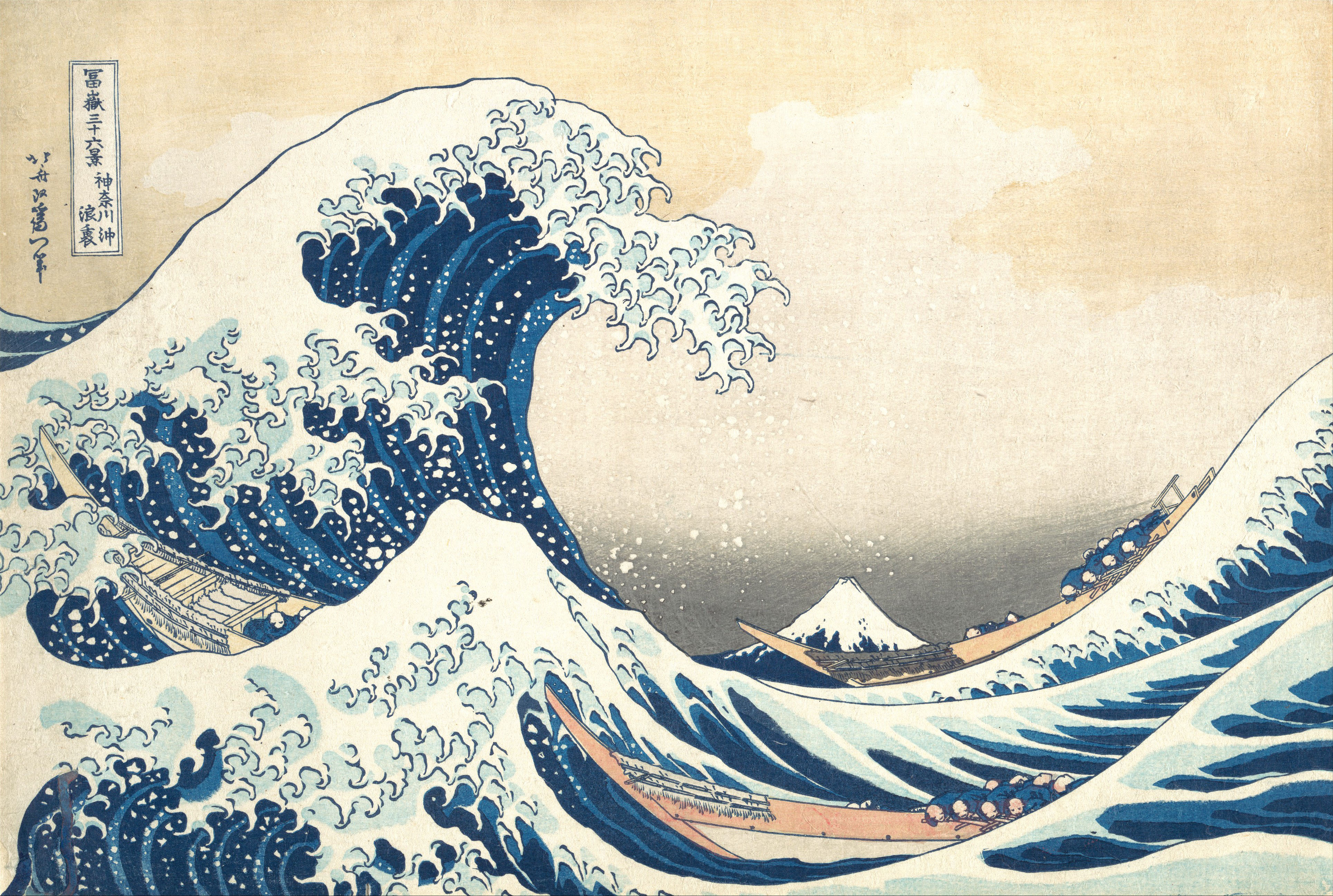
Often called The Great Wave, Katsushika Hokusai’s famous image is not a painting. It is a colour woodblock print: a design translated into carved blocks and printed onto sheets of paper. Many impressions were produced, and surviving early impressions can differ.
There is no single painted canvas behind the familiar image. Yet that does not mean there are no originals: individual impressions from the original printing process are original prints. The distinction changes how we think about authorship, collaboration, and authenticity.
Questions we are following
What role did the designer, block carvers, printers and publisher each play? How do specialists distinguish early impressions from later printings? When does a reproduction become an original work in its own right?